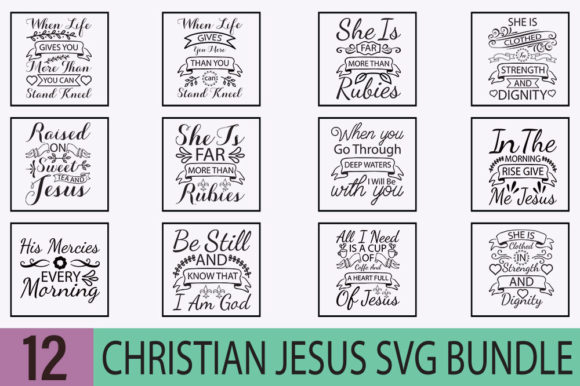
Christian Jesus Svg Design for Faith-Based Crafts
When a new client brief lands on my desk asking for a faith-inspired visual identity, I approach the search for design assets with a mix of optimism and caution. The request might be for a small handmade business selling scripture-themed products, a local church event poster, or an Etsy shop specializing in religious printables. The Christian Jesus Svg Design immediately caught my attention as a potential anchor asset for such projects. My first impression is one of quiet reverence and restrained elegance. The visual elements carry a tone that feels both devotional and design-conscious, avoiding the overly literal or clichéd treatments that sometimes plague this niche. The mood leans toward serene, respectful, and timeless, which is exactly what many faith-based brand projects require. This is not a loud or aggressive design; it invites contemplation and connection, making it suitable for audiences seeking authenticity over spectacle.
First Look: Visual Mood and Stylistic Impression
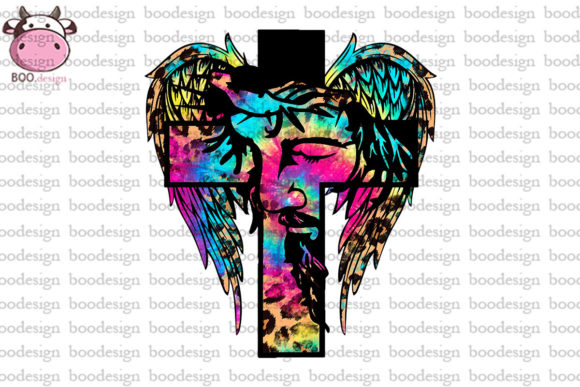
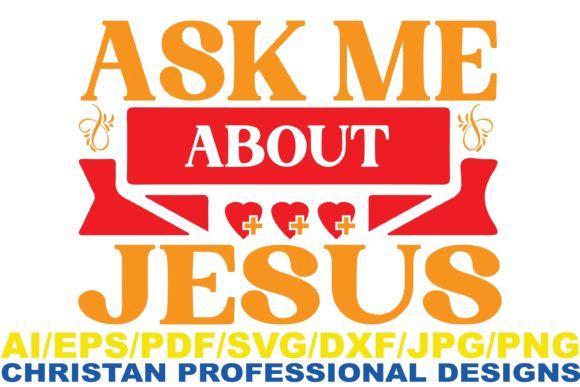
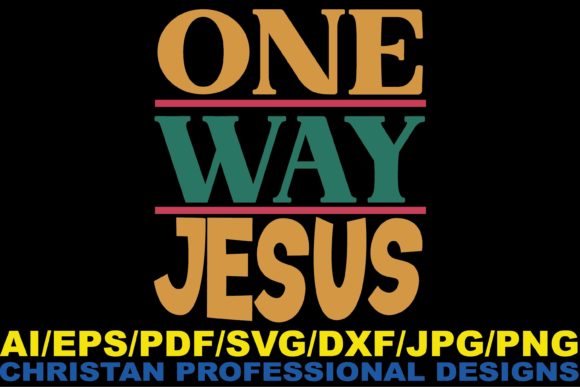
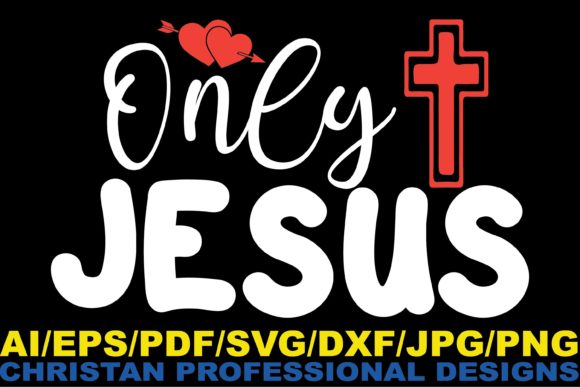
The Christian Jesus Svg Design presents itself with a deliberate simplicity that speaks to modern design sensibilities. The linework feels intentional, the proportions are balanced, and there is a handcrafted warmth that immediately suggests it was created by someone who understands both vector precision and emotional nuance. This is a graphic design asset that does not try to do too much. It knows its purpose. The style sits comfortably between illustration and iconography, which gives it flexibility across multiple formats. For a designer like me, that is a rare and valuable trait. Whether the project calls for a logo mark, a decorative accent on packaging, or a hero graphic for a social media campaign, this SVG design adapts without losing its core identity. The visual mood is contemplative without being somber, elegant without being cold. That emotional range is hard to manufacture and even harder to find in a single design bundle.
The Real Client Project: A Boutique Faith-Based Product Line
Let me frame this within a recent project I consulted on. A client runs a small handmade business specializing in artisan candles and prayer journals. They wanted a cohesive brand identity that could work across product labels, packaging, their Etsy shop banner, Instagram posts, and a small collection of printable wall art. The Christian Jesus Svg Design became a natural candidate for the visual centerpiece. It needed to feel personal, not mass-produced, and it needed to speak to a Christian audience without excluding seekers. The design delivered on both fronts. On product labels, it scaled beautifully to a small format without losing legibility. On the brand’s Instagram feed, it served as a consistent visual anchor across multiple posts. The organic, slightly textured feel of the lines gave the brand a handmade quality that resonated with the client’s audience. In packaging, it became a seal-like element that elevated the unboxing experience. The asset did not just fill a visual gap; it helped define the brand’s emotional tone.
Where This Design Asset Excels in Real Layouts
Through hands-on testing across multiple comps, I found the Christian Jesus Svg Design performs exceptionally well in several specific contexts. In large layout areas such as hero graphics or full-page editorial spreads, the design holds its own as a central focal point. It commands attention without overwhelming surrounding elements. In product mockups for t-shirt designs or tote bags, the vector nature of the SVG ensures crisp edges at any scale, which is critical for commercial print work. For printable wall art, the design translates beautifully onto both white and cream paper stocks, and the line density ensures it prints cleanly even on lower-cost home printers. In social media graphics and Pinterest pins, it creates a sense of calm authority that stops the scroll. As a Canva template element, it layers well with both serif and sans serif fonts, and it pairs naturally with script and handwritten typefaces for a more personal feel. For Cricut projects and sublimation designs, the SVG format gives crafters full control over sizing and color, which is essential when producing stickers, mugs, or custom apparel.
Where to Use the Christian Jesus Svg Design with Care
No design asset is universal, and this one has its limitations. In small sizes, particularly below one inch in print or below 50 pixels on screen, the finer details may begin to blur or lose definition. For projects that require extremely clean visual hierarchy—such as corporate annual reports or minimalist branding for a professional services firm—the design’s organic warmth might feel out of place. On complex or highly textured backgrounds, the design can compete for attention rather than complement the space. I recommend testing it on a solid light background first, then gradually introducing more texture to see where the threshold lies. For projects that demand a very modern, stark, or industrial aesthetic, this asset may not be the right fit. It belongs in contexts where warmth, faith, and humanity are the driving values. If your brand or client needs a more neutral or secular tone, look elsewhere. Also, always preview the design in black and white before committing. If it works without color, it will work with color. This design passes that test handsomely.
Practical Designer Notes Before You Buy
Before using the Christian Jesus Svg Design in a client project, I always run through a short checklist. First, test it in black and white on both light and dark backgrounds. The contrast performance is strong, though on dark backgrounds the design reads best when inverted or rendered in a light tone. Second, preview it at multiple sizes. I recommend viewing it at 0.5 inch, 2 inches, and 6 inches in print, and at thumbnail, medium, and full-screen sizes on screen. Third, place it on real product mockups. A t-shirt mockup will reveal whether the design sits well on fabric, and a mug mockup will show how it wraps around a curved surface. Fourth, inspect the SVG file for editability. Open it in your vector software of choice and check if the paths are clean, the nodes are manageable, and the layers are logically named. This asset holds up well in all these checks. Fifth, confirm the commercial license. For any client, business, or print-on-demand project, you must verify that the license covers commercial use. Never assume. A quick review of the license terms protects both you and your client from future complications. Finally, test the file format delivery. If the bundle includes PNGs with transparency, check for aliasing or rough edges. The SVG should be your primary working file, but the PNG can be useful for quick mockups or Canva imports.
Readability, Hierarchy, and Visual Trust
One of the most overlooked aspects of any graphic design asset is how it affects readability and visual hierarchy within a composition. The Christian Jesus Svg Design has a balanced weight that allows it to function both as a primary visual and as a supporting element. When used as a hero graphic, it commands the top of the visual hierarchy without shouting. When scaled down and placed as a decorative accent, it recedes gracefully and lets other elements lead. This dual nature is rare in design assets. It gives me, as a designer, more flexibility to build layouts that feel intentional rather than forced. The design also builds visual trust. There is nothing cheap or rushed about its execution. Clients and audiences alike sense that care was taken. For a small business branding project, that trust is currency. The design conveys professionalism without sacrificing warmth, and that balance is exactly what many faith-based brands need to connect with their audience on a deeper level.
Font Pairing and Typographic Compatibility
I tested the Christian Jesus Svg Design with several typeface categories to see how it holds up in real editorial and branding contexts. With serif fonts, the design feels classic and grounded. With sans serif fonts, it takes on a more contemporary and accessible tone. With script and handwritten fonts, the warmth multiplies, creating a personal, almost intimate feel that works beautifully for printables, journals, and gift products. Display fonts should be used with caution. The design has enough personality that a loud display font can create visual competition. I recommend pairing it with clean, readable typefaces that let the asset breathe. For a logo lockup, a simple serif or gentle sans serif at a moderate weight works best. For social media graphics, a handwritten font can add charm, but keep the text minimal so the design remains the focal point. The asset is forgiving with most font styles, but its true strength emerges when the typography supports rather than competes.
Final Verdict: A Valuable Creative Asset for Faith-Based Design
After working through multiple comps, mockups, and real client scenarios, I can confidently recommend the Christian Jesus Svg Design as a serious addition to any designer’s toolkit—especially if you work with faith-based brands, handmade businesses, Etsy sellers, or print-on-demand entrepreneurs. It offers the kind of visual consistency and emotional resonance that separates amateur-looking projects from polished, professional work. The design performs well across digital and print formats, scales gracefully when the vector file is used correctly, and carries a tone that feels both contemporary and timeless. For designers who value efficiency, this asset saves time in the concept phase because it arrives with a clear visual direction already baked in. For brand owners, it provides a foundation that can grow with the business. For crafters using Cricut or sublimation tools, the SVG format offers full creative control. This is not a throwaway clipart pack. It is a thoughtful, well-executed design asset that deserves a place in your creative marketplace library. As with any asset, test it thoroughly in your specific project context, confirm your licensing, and let the design serve the message rather than overshadow it. Done right, the Christian Jesus Svg Design can become a cornerstone of a brand’s visual identity, helping small businesses and creators communicate faith with clarity, beauty, and respect.