Only Jesus Christian Design: A Designer's Review for Crafts & Branding
As a graphic designer who regularly pulls assets from creative marketplaces for client work, I approach every new design bundle with a critical eye. When I first opened Only Jesus Christian Design, I was looking for something that could serve both the devotional tone of a faith-based brand and the visual polish that modern consumers expect. What I found was a design asset that bridges handcrafted warmth and commercial versatility. This review comes from a real project scenario where I needed to build a cohesive visual identity for a small handmade business that sells Christian-themed products on Etsy and through local retail. The goal was to create packaging, labels, social media graphics, and print-on-demand merchandise that felt personal, reverent, and professional. Here is how Only Jesus Christian Design performed in that context.
First Impressions and Visual Mood
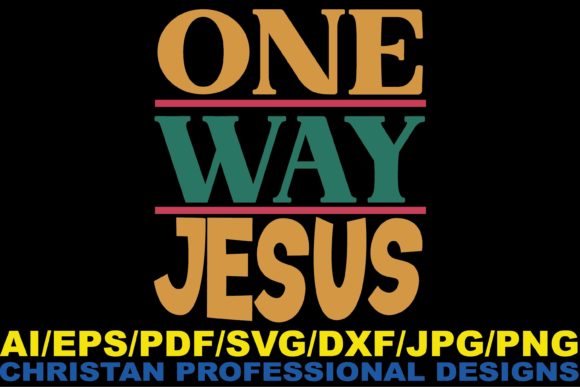
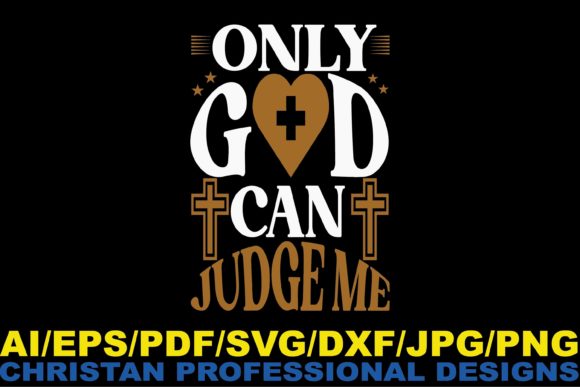
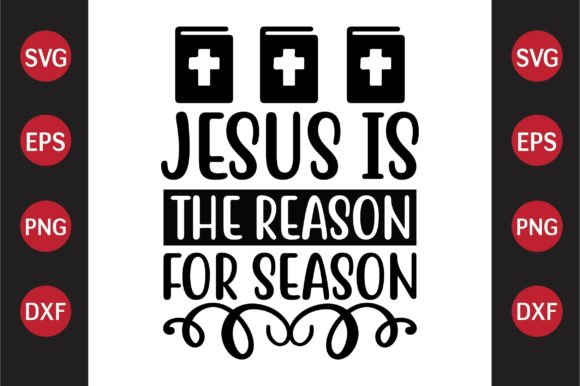
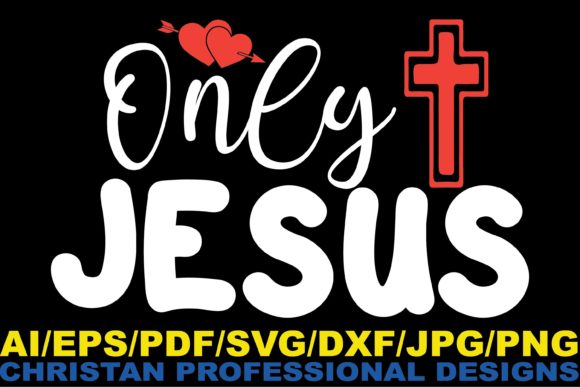
The first thing I noticed about Only Jesus Christian Design is its deliberate restraint. The visual elements lean into a quiet, reverent aesthetic that avoids the overly ornamental or the aggressively modern. Instead, the asset presents a balanced mix of typographic treatments, subtle iconography, and textured backgrounds that evoke a sense of handmade care. The mood is contemplative but not somber, warm but not sentimental. It feels like something you would find in a thoughtfully designed journal, a boutique product label, or a beautifully composed social media post for a faith-led brand. For my client, a small business owner who handcrafts scripture cards and minimalist wall art, this visual language was an immediate fit. The design does not shout; it invites. That makes it a strong candidate for brands that want to communicate depth without visual clutter.
How the Asset Performs Across Real Design Situations
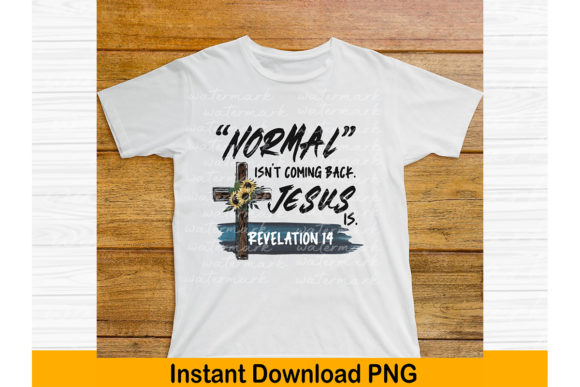
I tested Only Jesus Christian Design across multiple formats to see how it held up in different applications. For logo and brand identity work, the typographic elements and simple iconography scaled well. The asset includes variations that work as standalone marks and others that function as supporting graphic elements. When I used it for product labels and packaging, the design maintained its clarity at small sizes, which is critical for candle labels, soap wraps, or tag cards. On a t-shirt design mockup, the asset translated cleanly, especially when paired with a solid background color that matched the mood of the brand. For social media graphics, the design gave me a quick starting point that felt cohesive across Instagram posts, Pinterest pins, and Facebook covers. The asset also worked well within Canva templates, where I could layer text and adjust colors without losing the integrity of the original design. For Cricut projects, the SVG and PNG files handled cut paths and print-then-cut workflows without unexpected issues. In sublimation design testing, the colors remained vibrant and the linework sharp on polyester blanks. Across all these applications, Only Jesus Christian Design proved itself as a flexible graphic design asset that does not demand extensive reworking.
Where the Design Works Best
Through my testing, I found that Only Jesus Christian Design truly shines in certain contexts. It is excellent as a hero graphic on a product mockup where the design needs to carry the emotional weight of the message. For example, on a devotional journal cover or a scripture art print, the asset creates a focal point that feels intentional rather than generic. It also works beautifully as a decorative accent on packaging details, such as the inside of a gift box, a belly band, or a thank-you card insert. In themed collections, like an Easter or Christmas campaign, the asset provides a consistent visual thread that ties product lines together. For printable designs intended for home decor or gifting, the aesthetic matches the warmth that customers expect from handmade and faith-oriented products. The asset also performs strongly in marketing visuals where the goal is to build trust and emotional resonance. For a small business branding project, it helped establish a visual identity that felt both personal and scalable.
Where to Use Caution
No design asset is universal, and Only Jesus Christian Design has its limitations. I would caution against using it in contexts where extreme minimalism is the goal. The asset carries a distinct ornamental quality that can feel busy if placed on a cluttered background or in a layout with dense text. For corporate or professional materials that require a very clean visual hierarchy, such as a formal brochure or a financial report, the design may introduce too much decorative character. It also does not suit projects that demand a modern, edgy, or industrial aesthetic. In small sizes under one inch, some of the finer details can become muddy, particularly in print, so I recommend testing it at the actual production scale before committing. For low-contrast designs, such as a light-on-light application, the asset can lose its impact. I always suggest checking contrast on both light and dark backgrounds during the mockup phase.
Effects on Readability, Hierarchy, and Brand Consistency
When integrating Only Jesus Christian Design into a layout, readability remains strong as long as the surrounding typography is chosen with care. The asset pairs well with clean serif fonts and warm sans serif styles, but it can clash with overly decorative script fonts or heavy display faces. The visual hierarchy stays intact when the design is used as a primary graphic element with text placed at a respectful distance. In my project, I found that brand consistency improved because the asset provided a recognizable visual anchor across product categories. It helped build visual trust with the audience because the design felt authentic rather than templated. The emotional appeal of the asset is genuine, which translates into higher engagement on social media and a more premium impression on product listings. For an Etsy product or a print-on-demand shop, this kind of visual credibility can directly influence purchasing decisions.
Practical Designer Notes Before Commercial Use
Before you use Only Jesus Christian Design for a client or business project, there are a few practical checks I recommend. First, test the design in black and white to see if the contrast and shape relationships hold up without color. Next, preview it at the smallest and largest sizes you plan to use, especially if you are working with t-shirt design, sticker design, or packaging design. Place the asset on real product mockups to verify how it interacts with lighting, texture, and scale. If you are printing, run a test print to inspect the quality of fine lines and the transparency of any PNG files included in the bundle. If the asset comes in SVG format, open it in your vector editing software to check that paths are clean and editable. Compare the design side by side with the font styles you intend to use, including serif, sans serif, script, handwritten, and display fonts, to see which combinations feel natural. Finally, confirm that your commercial license covers the intended use, especially if you are creating a product for a client, selling digital designs, or using the asset in a print-on-demand shop. Many creative marketplace listings have specific terms, so reading the license details is a step I never skip.
Why This Asset Belongs in a Designer’s Toolkit
After working with Only Jesus Christian Design on a real client project, I can say it is a well-crafted creative design that serves a specific but meaningful niche. It is not a one-size-fits-all solution, but for faith-based brands, handmade businesses, boutique product lines, and seasonal campaigns, it offers a level of polish and emotional resonance that is hard to achieve with generic clipart or stock illustrations. The asset saves time during the conceptual phase because it already communicates the right mood. It also provides a solid foundation for building a brand identity, a social media aesthetic, or a product collection. For designers who work with small business branding, Etsy shops, print-on-demand products, or editorial design for faith-oriented publications, this bundle is worth serious consideration. It respects the craft of design while serving the practical needs of commercial work.
If you are a designer, brand owner, or creative entrepreneur looking for a design asset that feels thoughtful and versatile, Only Jesus Christian Design deserves a place in your digital library. Test it on your next project, and see how it shapes the visual story you are telling.