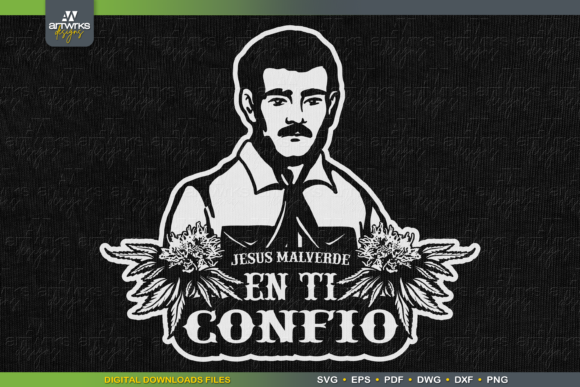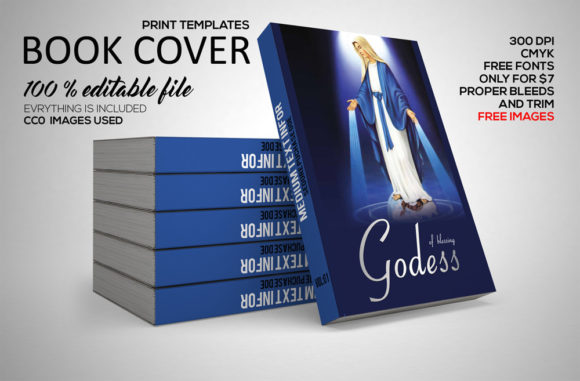
Jesus Book Cover Template for Print Templates
When I first opened the Jesus Book Cover Template, I felt an immediate sense of grounded warmth. The design carries a handcrafted quality that does not scream for attention but invites the viewer to pause. As a brand designer who works regularly with local businesses, I evaluate every graphic design asset by asking one question: will this help a small brand tell its story more clearly? This template answers that question with a quiet confidence that feels rare in the world of digital products. It leans toward organic textures, gentle color palettes, and a structure that recalls classic printed materials. The mood is reverent without being stiff, familiar without feeling generic. For a local business owner who wants to communicate values like faith, community, tradition, or handmade care, this asset provides a visual anchor that feels both personal and professional.
A Real Project That Changed How I See This Asset
I recently took on a branding project for a small-batch soap and candle business called Olive + Grace. The owner wanted to launch a seasonal line inspired by themes of gratitude and reflection. She had a clear mission: create product packaging that felt like a gift, not just a purchase. When I showed her the Jesus Book Cover Template as a possible foundation for the brand identity and packaging design, she responded to it immediately. The template became the visual bridge between her product story and the customer experience. We used it as the anchor for the product label, the hero graphic on the hang tag, and the central motif on the thank-you card inserted in every order. The result was a cohesive brand presentation that elevated the entire product line without requiring a full custom illustration budget.
Where This Design Asset Creates the Most Value
In my experience, the Jesus Book Cover Template works best when it is treated as a core brand element rather than a decorative afterthought. Its structure supports strong visual hierarchy, which is critical for small business branding where every inch of packaging must earn its place. I have tested it across several contexts and found it particularly effective in these applications:
- Product labels and packaging design — the template provides a clear focal point that draws the eye and communicates product purpose immediately. On a candle jar or soap box, it creates shelf appeal that feels intentional.
- Promotional banners and social media graphics — the centered composition translates well to square and vertical formats. It works as a background overlay or as a standalone graphic for seasonal campaign visuals.
- Thank-you cards and printable inserts — small local businesses that prioritize customer relationships benefit from the template’s warm, personal feel. It turns a simple insert into a memorable brand touchpoint.
- Hang tags and product mockups — the design holds up well when scaled down for tags. It also looks polished in product mockups used for Etsy listings, website banners, and social media content.
- Menu graphics and price lists — for a faith-based cafe or bookstore, the template can anchor a menu header or a promotional price card with a consistent brand identity.
Brand Personality and Emotional Connection
The Jesus Book Cover Template suggests a brand personality that is approachable, sincere, and rooted in tradition. It does not feel minimalist in a cold, corporate way. It feels warm, handmade, and organic. This makes it an excellent fit for food businesses, handmade soap brands, boutique candle makers, home decor shops, children’s product lines, and seasonal product campaigns that want to communicate comfort and authenticity. The emotional connection it creates is subtle but powerful. Customers see the design and associate it with care, quality, and intention. For a local business owner competing against mass-produced packaging, this kind of emotional resonance is a competitive advantage that builds customer trust and repeat purchases.
Using the Template for Professional Branding and Marketing Visuals
When I integrate the Jesus Book Cover Template into a brand identity system, I treat it as a hero asset that can be paired with supporting design elements. It works beautifully beside serif fonts for a classic editorial feel or with handwritten fonts for a more personal, artisanal voice. Sans serif pairings keep the look clean and modern without losing the template’s organic warmth. I have used it in web design as a hero graphic for a landing page header and as a background element for promotional ads. It also functions well as a clipart-style accent in social media graphics, especially when layered with subtle textures or overlaid with brand colors. The key is to let the template breathe. Crowding it with too many competing graphics reduces its impact. Give it space, and it rewards you with a clean visual hierarchy that guides the customer’s eye naturally.
Where to Use This Design with Caution
No design asset is universal, and the Jesus Book Cover Template requires thoughtful placement. I advise caution in these scenarios:
- Formal corporate branding — if your business identity requires a high level of abstraction or a strictly minimalist aesthetic, the template’s decorative quality may feel out of place.
- Very small labels or crowded packaging — when scaled down below two inches, the finer details may lose clarity. Test it at your intended print size before committing.
- Ingredient-heavy layouts or legal information areas — the template draws attention. Avoid placing it where it competes with required regulatory text or ingredient lists.
- Low-contrast backgrounds — the design relies on subtle tonal variation. On a background that is too light or too dark, it can lose definition. Always preview it on your actual packaging material.
- Luxury minimalist brands — if your brand voice is built on stark simplicity and negative space, the template may introduce more visual texture than your identity requires.
Practical Designer Notes for Real Business Use
Before you use the Jesus Book Cover Template for client work or your own local business branding, run through this checklist. I have developed these steps from dozens of packaging projects, and they consistently save time and prevent print surprises.
- Test it on real packaging mockups — download a product mockup that matches your container shape and paste the template into the design. See how it reads at actual size.
- Check black and white usage — print it in grayscale. If the design relies entirely on color for legibility, you may need to adjust contrast for monochrome applications.
- Preview it on small labels — a two-inch round label is very different from a full-size book cover. Scale it down early in the process, not at the last minute.
- Test it with your brand colors — the template’s original palette may not match your identity. Apply your brand colors and check that the mood remains consistent.
- Compare with competitor packaging — place your mockup next to three competitor products. Does your design stand out or blend in? Adjust as needed.
- Check print quality and file format — confirm whether you are working with a PNG design, SVG design, or a layered file. If you need vector editability for scaling, SVG or EPS is essential. PNG works for many digital applications but test resolution for offset or digital print.
- Review the commercial license — if you are using this for client work, product packaging that will be sold, or any for-profit brand identity, confirm that the license covers commercial use. Some creative marketplace assets have restrictions on physical product sales or print runs.
- Test it beside different font styles — pair the template with a serif, sans serif, script, handwritten, and display font. See which combination supports your brand voice most clearly.
How the Template Supports Business Presentation and Customer Trust
Local business owners often underestimate how much polished packaging influences first impressions. The Jesus Book Cover Template helps close that gap. It provides a professional branding element that signals care and consistency. When a customer picks up a product with a well-designed label, they assume the product inside is equally well made. That assumption is the foundation of customer trust. The template also supports product recognition across multiple touchpoints. Whether the customer sees it on a product label, a social media graphic, a website banner, or a promotional flyer, the visual consistency reinforces brand recall. Over time, that recognition builds a stronger emotional connection between the customer and the business. For a handmade seller or boutique owner, that connection often translates into word-of-mouth referrals and repeat sales.
Final Thoughts on Using This Asset for Small Business Branding
The Jesus Book Cover Template is not a one-click solution. No graphic design asset is. But when used with intention, it becomes a versatile tool that supports packaging design, brand identity, marketing visuals, and overall business presentation. It works best for local businesses that want to communicate warmth, tradition, and handmade quality. It fits naturally into product labels, thank-you cards, hang tags, promotional banners, and social media content. With careful attention to scale, contrast, and font pairing, it can elevate a small brand’s visual identity without overwhelming it. If you are a creative entrepreneur or a designer working with local brands, this template deserves a place in your commercial design toolkit. Test it on a real project. Let it guide your layout decisions. And most importantly, let it help your client’s story feel as good as it looks.